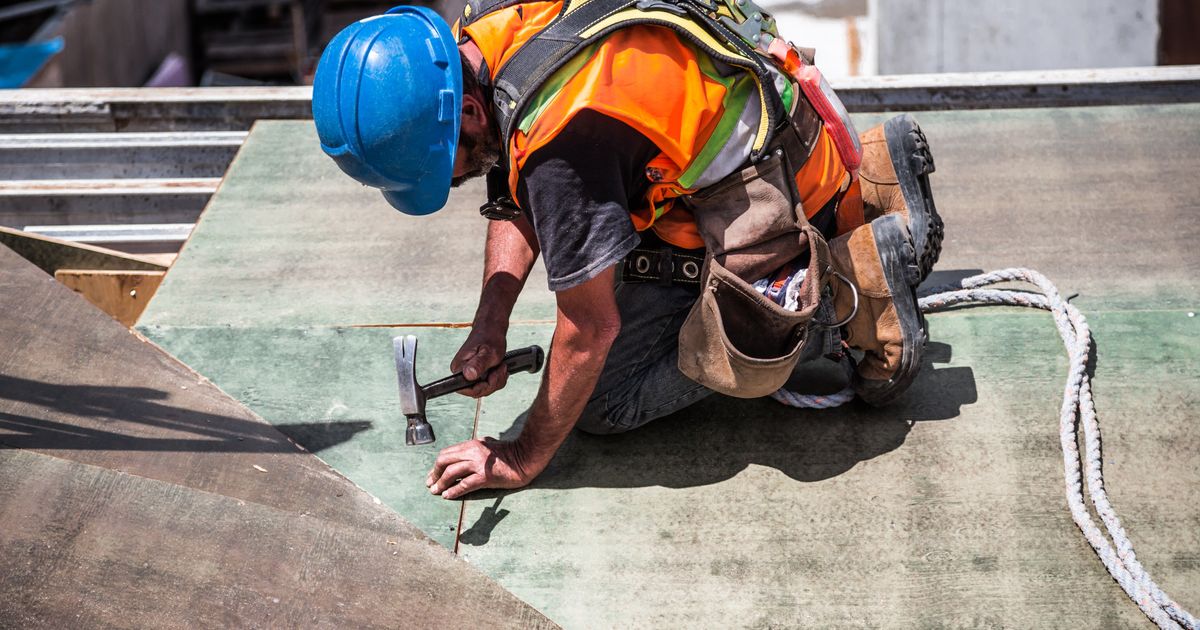
You're on a roof. It's 8am. Your phone rings.
You can't pick up.
By the time you're back on the ground, they've already called someone else.
This isn't bad luck. For most Australian tradies, it's Tuesday.
The tradie phone problem
Trades businesses have a structural problem that almost no other industry faces: the busiest hours for doing the work are exactly the same hours customers call to book it.
7am–9am. Midday. Late afternoon.
You're on a job. You can't answer. The caller moves on.
Industry data suggests home services contractors miss between 60–80% of inbound calls during working hours. Most of those callers don't leave a voicemail. They just Google the next result.
The maths are brutal. If your average job is worth $400 and you miss five calls a week, that's $1,600 in potential revenue gone — every single week.
Why voicemail doesn't fix it
The instinct is to set up a voicemail. "Leave a message and I'll call you back."
The problem: most people don't.
Research consistently shows that less than 20% of callers leave a voicemail when they reach one. The rest hang up. And when they hang up, they're gone.
Even for the 20% who do leave a message — by the time you finish the job, drive home, and call back, it's been three hours. They've already booked someone else.
What AI phone answering actually does
AI phone answering isn't a voicemail system. It's closer to having a receptionist who never sleeps, never takes a lunch break, and knows your business inside out.
When a customer calls and you can't pick up, the AI answers — in your business name, with your business information.
It can tell them:
- What services you offer and where you work
- Your rough pricing or how your quotes work
- Whether you're taking new jobs this week
- How to book a time that works for both of you
It checks your actual calendar, confirms a time, and sends both of you a confirmation. You finish the job. Your phone buzzes with a new booking notification.
The customer who called at 8am on Tuesday? Booked and confirmed before you came down from the roof.
What it can't do
Worth being honest here.
AI phone answering works best for standard enquiries — pricing questions, availability, booking requests, service area checks. The kinds of calls that make up the majority of inbound volume for most trade businesses.
For complex quotes that need a site visit, emergency callouts that need immediate human judgment, or sensitive situations — those still need you. A good AI system knows when to take a message and flag it as urgent rather than trying to handle everything itself.
The goal isn't to replace your judgment. It's to make sure every call gets answered, and the ones you need to handle personally get flagged immediately.
The setup reality
Most tradies assume this kind of technology is complicated to set up or requires someone technical to manage.
The reality: most AI phone answering systems for small businesses take less than a day to configure. You provide your business information — services, pricing, service area, availability — and the system is trained on that before it takes a single call.
No ongoing technical management required. When your pricing changes or you add a new service, you update the information and the AI reflects it immediately.
Is it worth it for a solo tradie?
The honest answer depends on your call volume.
If you're getting 20+ calls a week and missing a significant portion of them, the maths work strongly in favour. One captured job that would otherwise have gone to a competitor covers most monthly costs.
If you're just starting out and getting five calls a week, it's worth waiting until volume justifies it.
The sweet spot is any trade business that's busy enough to miss calls regularly but not yet at the point of hiring admin support.
What to look for
Not all AI phone answering services are built the same. For Australian tradies specifically, look for:
- Australian phone numbers and voices — callers notice immediately if something sounds offshore
- Real calendar integration — the AI should check your actual availability, not just take a message
- Business-specific training — generic scripts won't cut it when customers ask specific questions about your services
- Transparent pricing — avoid per-minute models that get expensive fast
See how Nearbyte works for trade businesses →
Nearbyte is an AI receptionist built for Australian small businesses. It answers every call, trained on your actual business — not a generic script. From $79/month.